
Speak to us today 0800 4488 593
Electrical Installation Condition Reports for commercial and industrial premises, combining detailed inspection, live testing and clear digital reporting.
BS 7671 inspection & testing●Live-site & phased programmes●Photographic evidence●Coded findings & prioritised recommendations
NICEIC Approved
Contractor

Experienced Commercial
Test Engineers

Detailed Digital
Reporting
Prefer not to call? Complete the form and we’ll call you back.



Commercial EICR Inspection & Reporting
A Commercial Electrical Installation Condition Report combines detailed visual inspection, electrical testing and professional engineering judgement to establish whether an installation is safe and suitable for continued service.
✓ Detailed visual inspection of the electrical installation.
✓ Distribution-board and switchgear inspection.
✓ Protective bonding verification.
✓ Earth-fault loop impedance testing.
✓ Prospective fault-current testing.
✓ Insulation-resistance testing.
✓ RCD testing where applicable.
✓ Circuit identification and labelling checks.
✓ Assessment of deterioration, overheating and previous alterations.
✓ Classification of every significant observation.
✓ Digital NICEIC certification.
✓ Photographic evidence and prioritised remedial recommendations.
Why do I need a commercial EICR?
Electrical defects often develop gradually and remain unnoticed until they result in equipment failure, disruption to business operations or increased safety risks. A Commercial EICR provides a detailed assessment of your electrical installation before these issues become critical.
✓ Ageing switchgear with mechanical wear and deterioration.
✓ Loose electrical connections creating overheating risks.
✓ Insufficient fault protection.
✓ Lack of RCD protection where required.
✓ Deteriorated cables, accessories and protective equipment.
✓ Poor segregation between essential and non-essential services.
✓ Evidence of overheating within switchgear, circuits or connections.
✓ Inadequate circuit labelling and identification.
✓ Unauthorised or undocumented alterations carried out over many years.
✓ Defects or deterioration affecting the installation’s safety and suitability for continued service.
Genuine Commercial EICR Findings
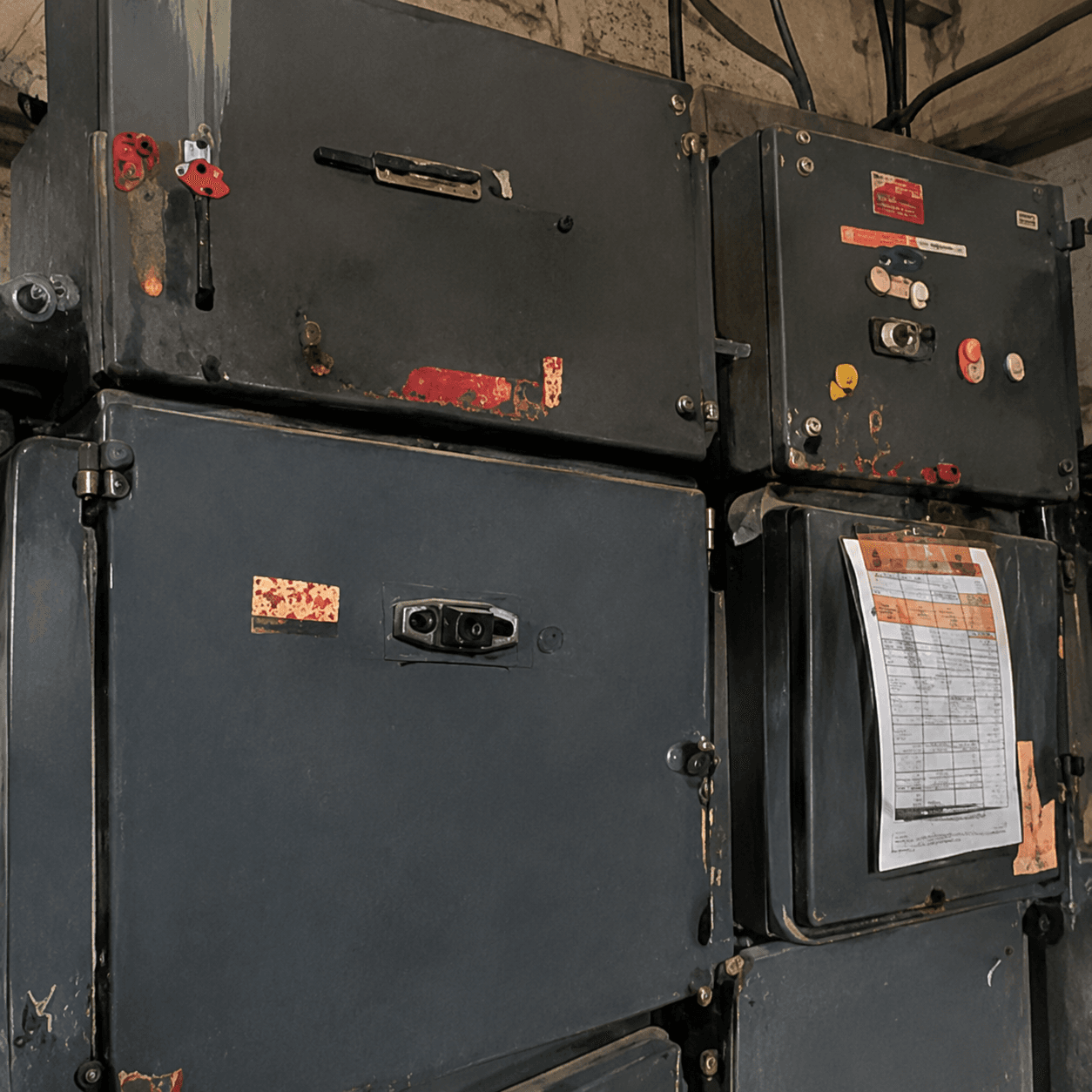
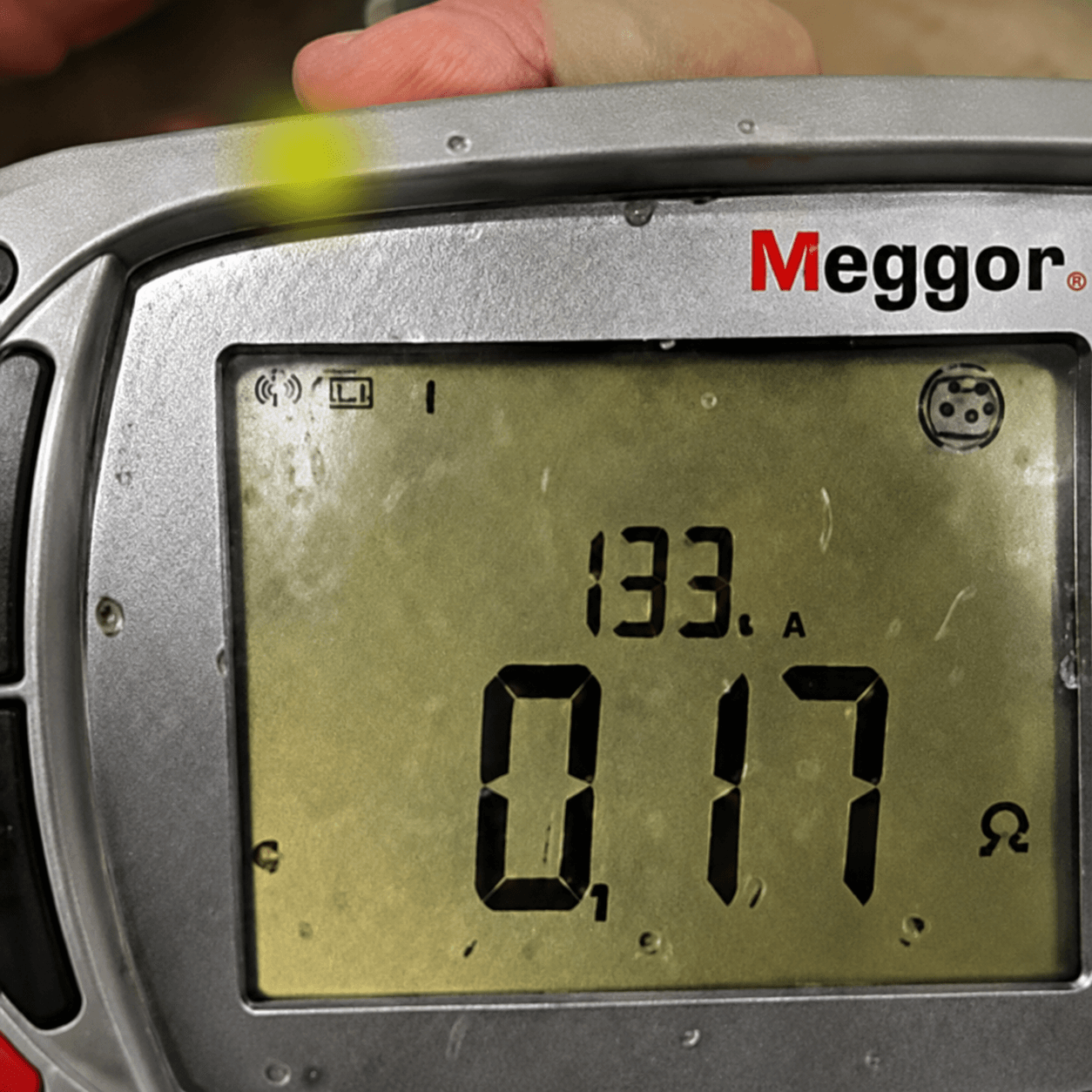
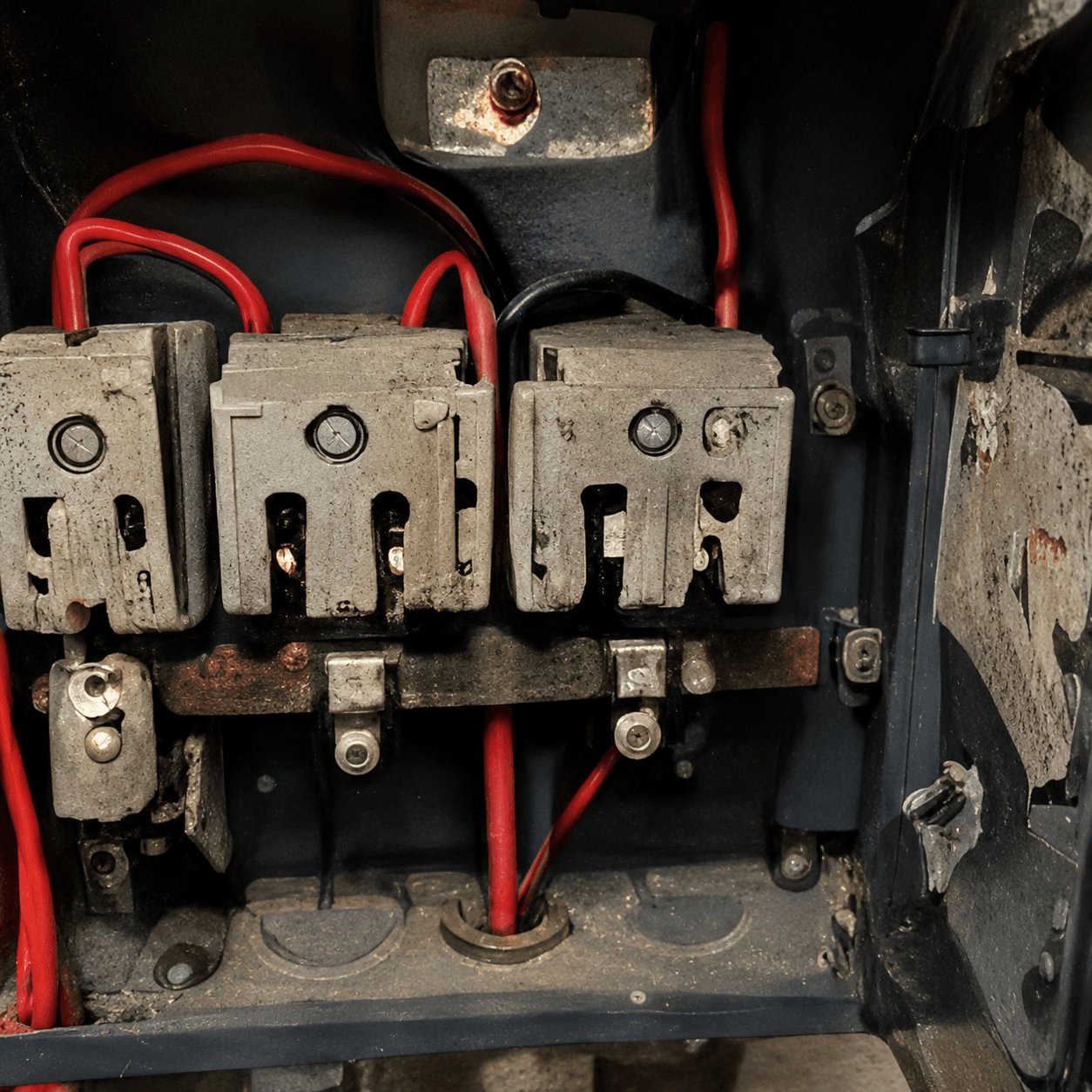
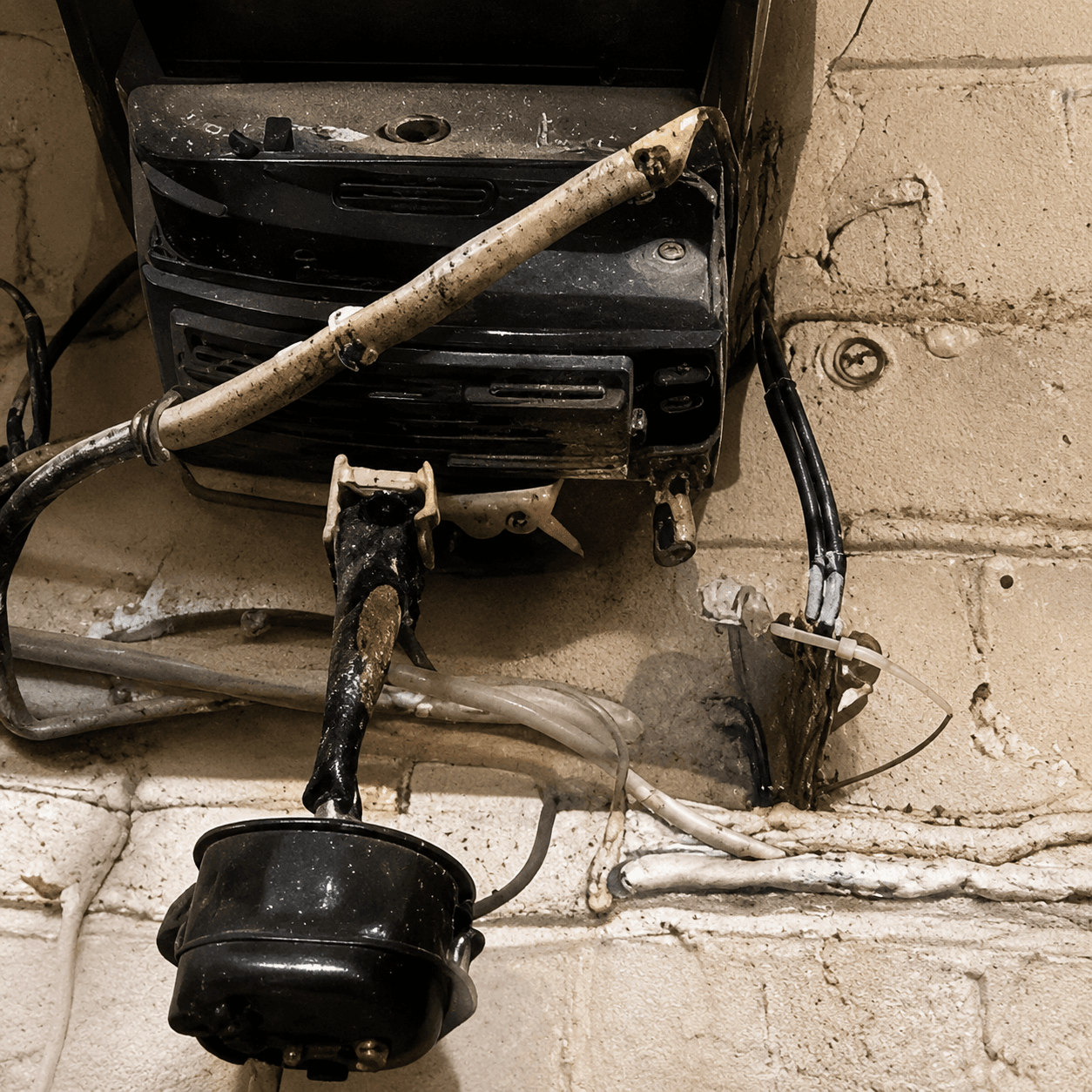
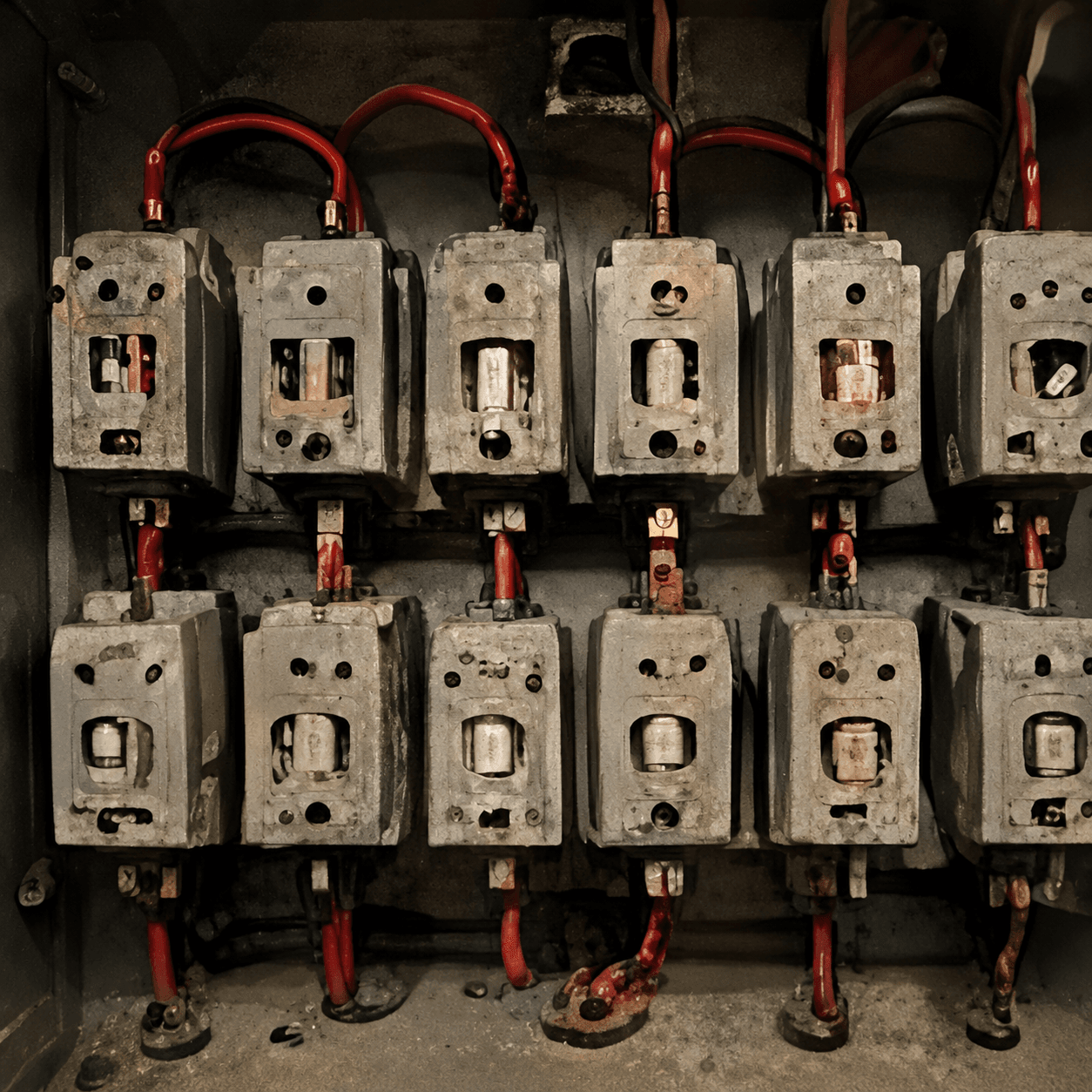
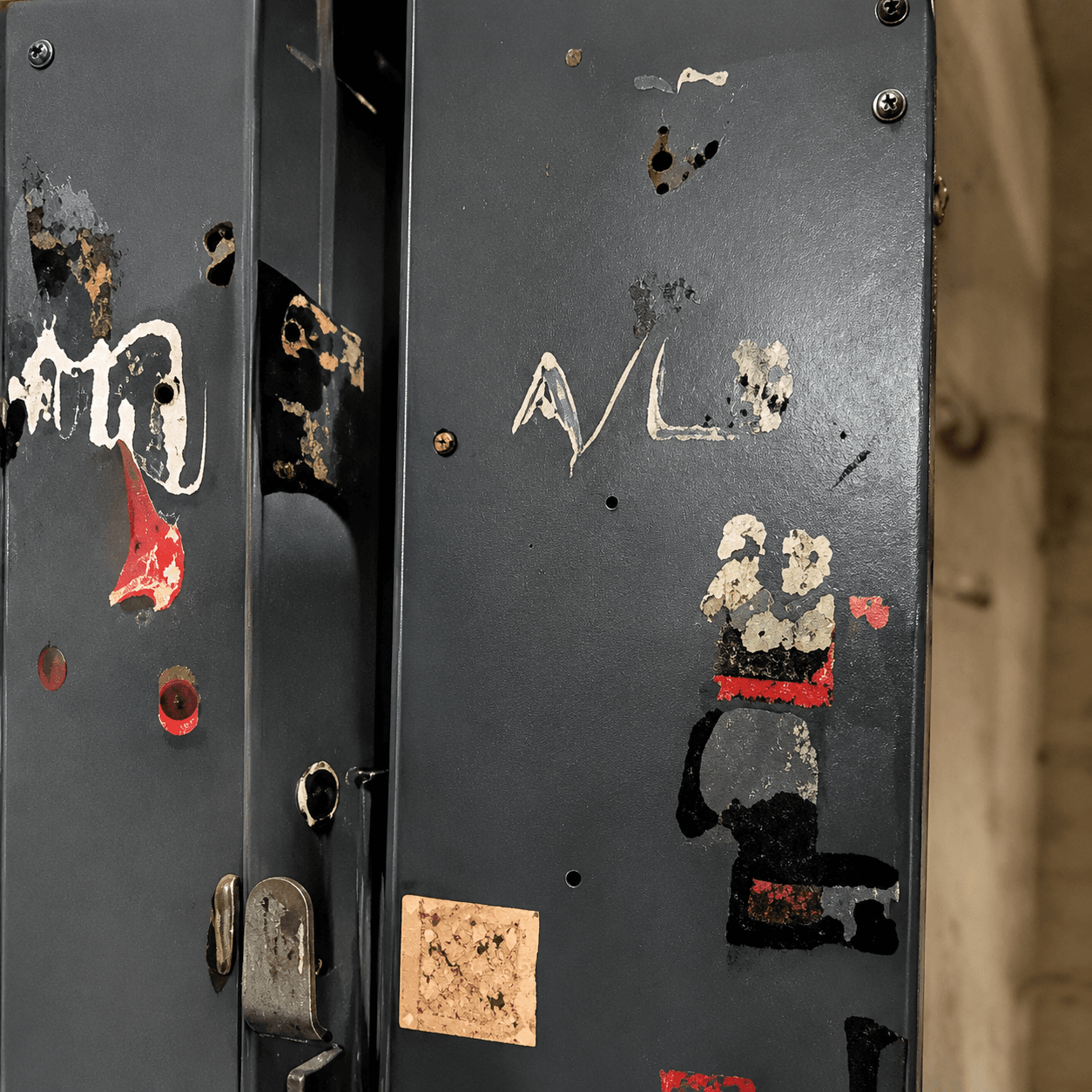
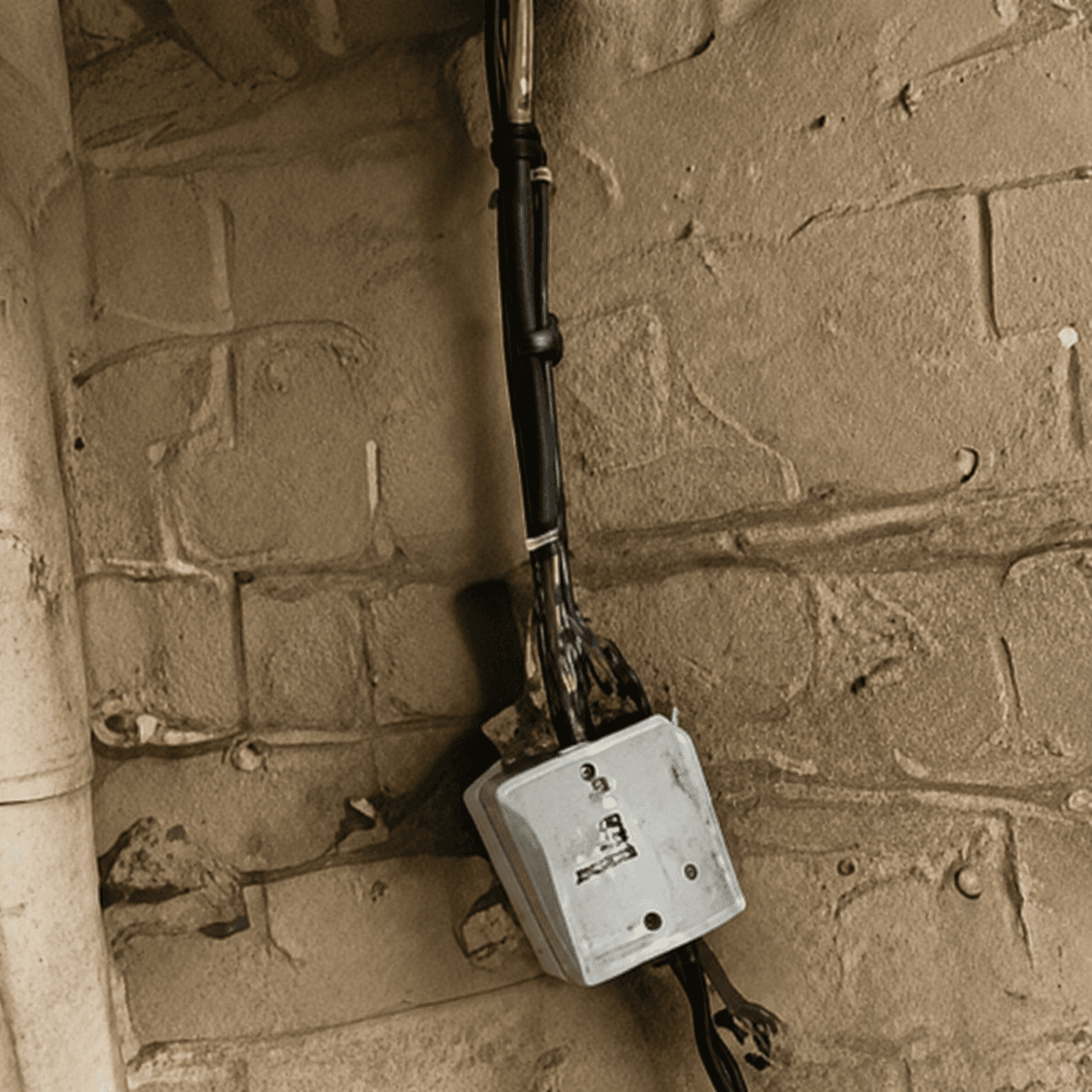
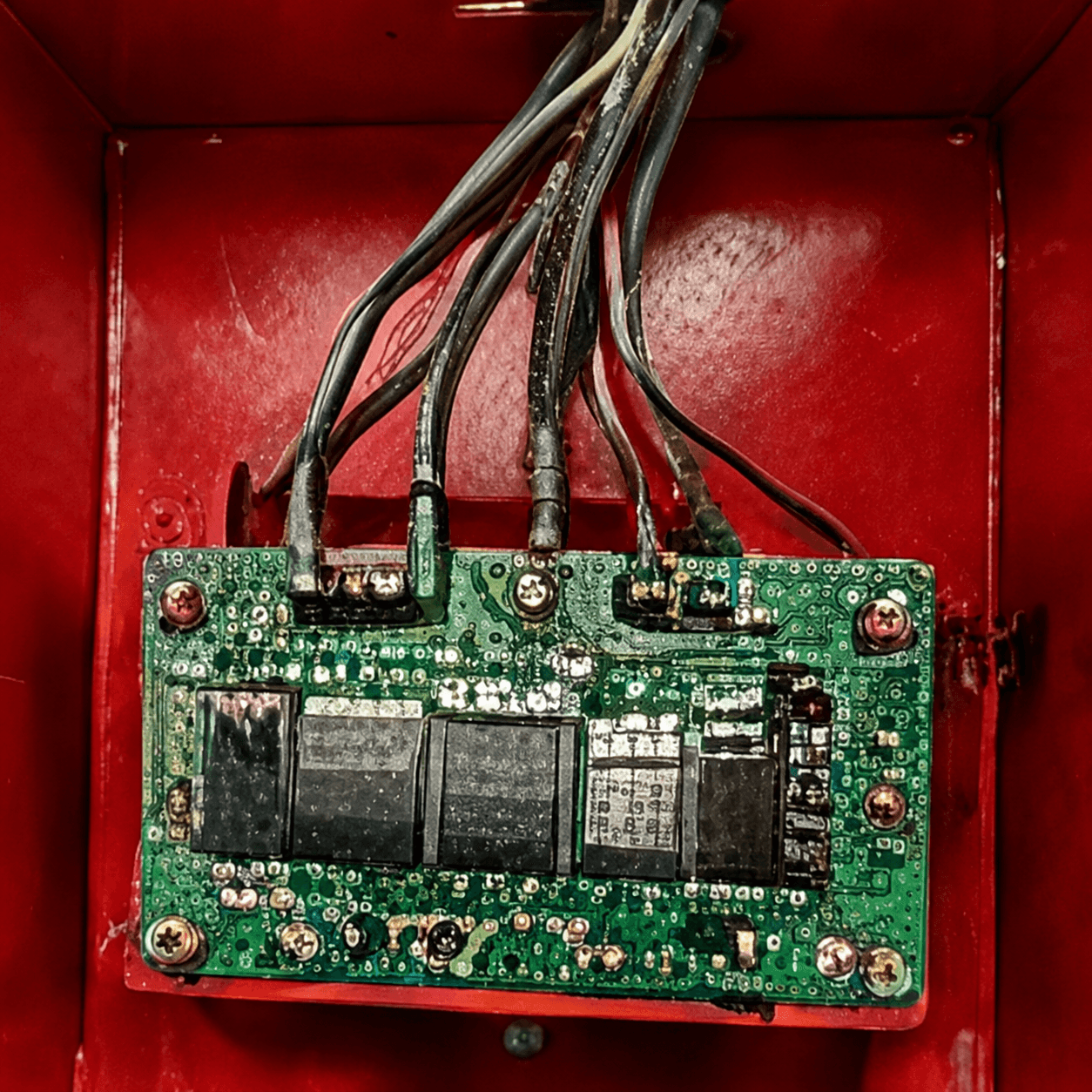
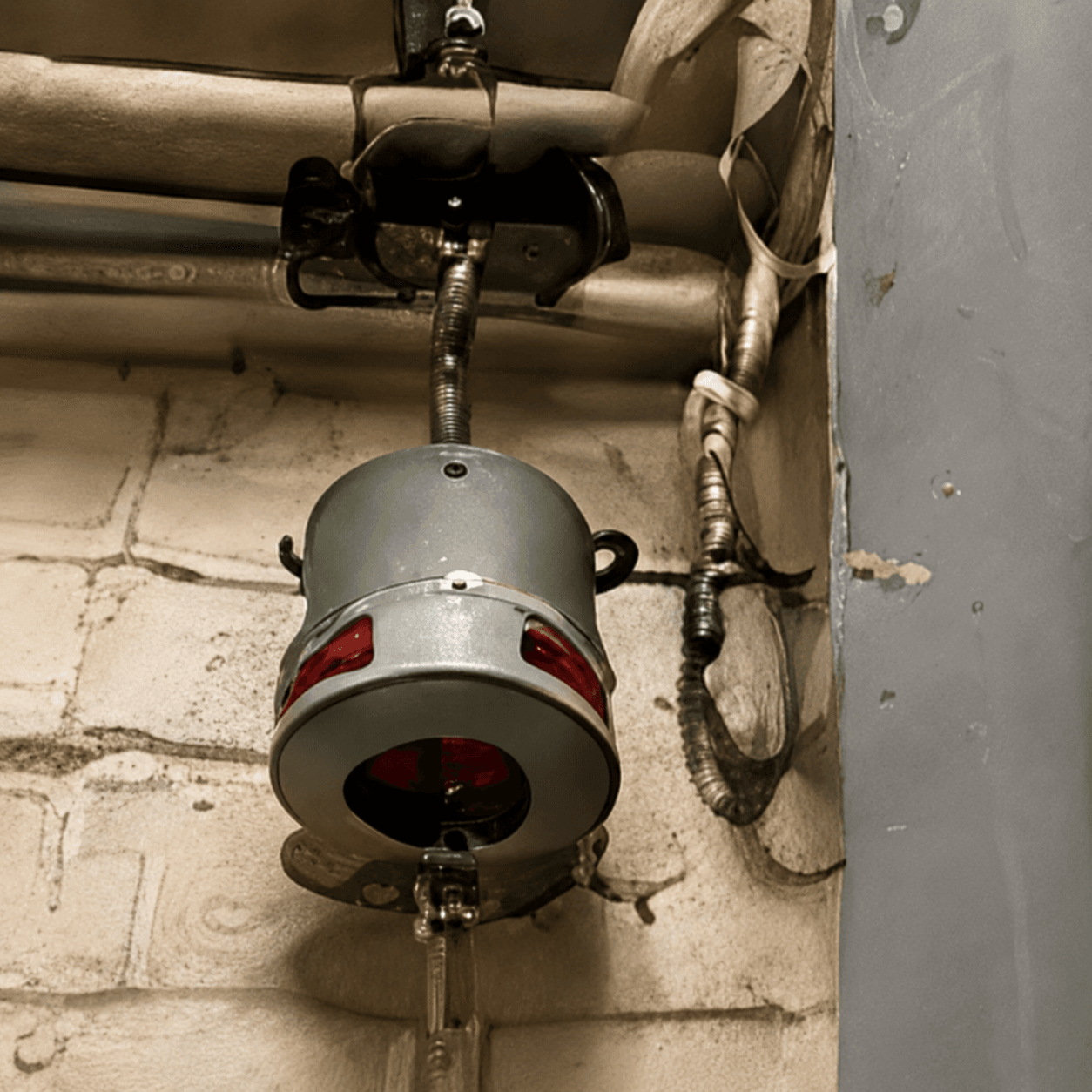
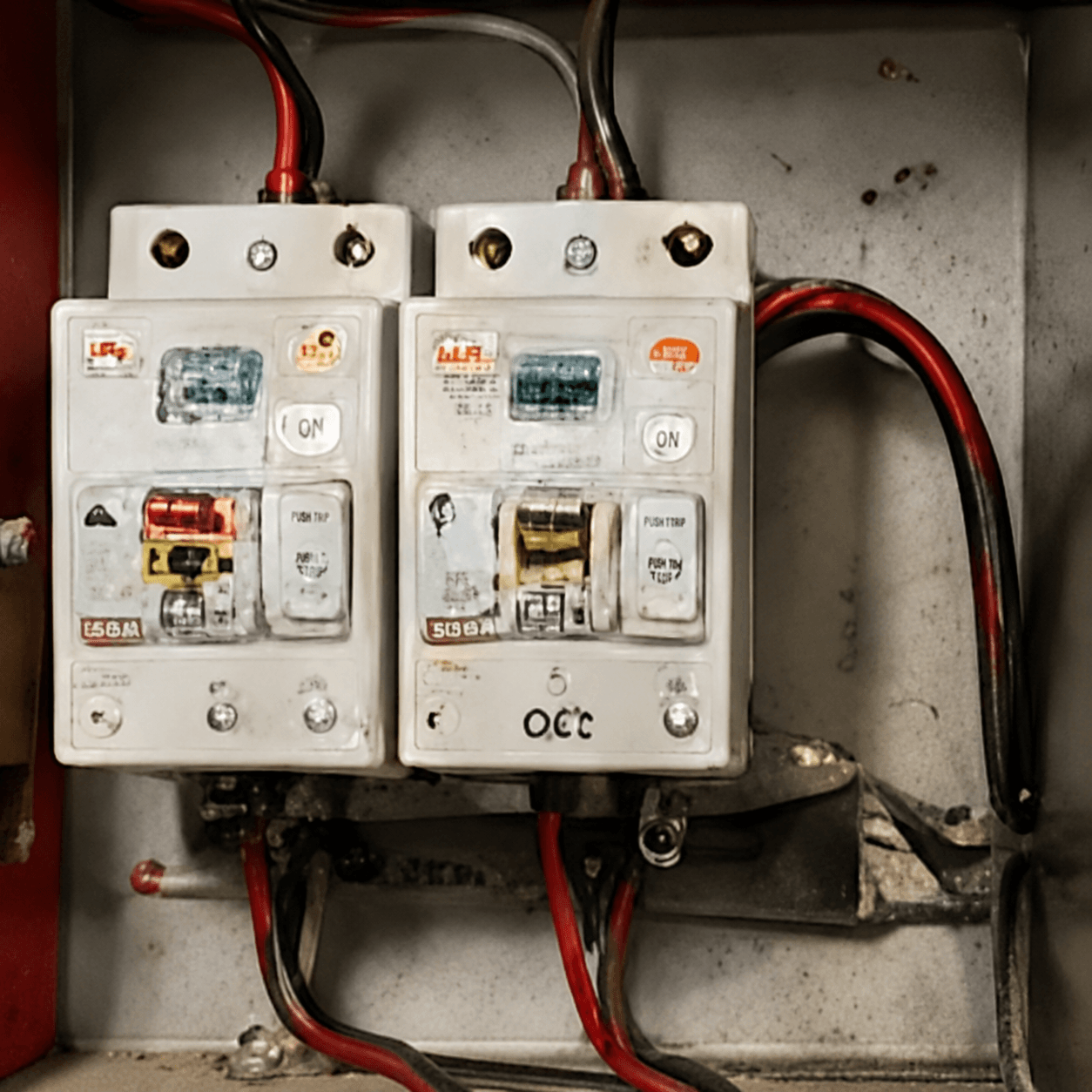
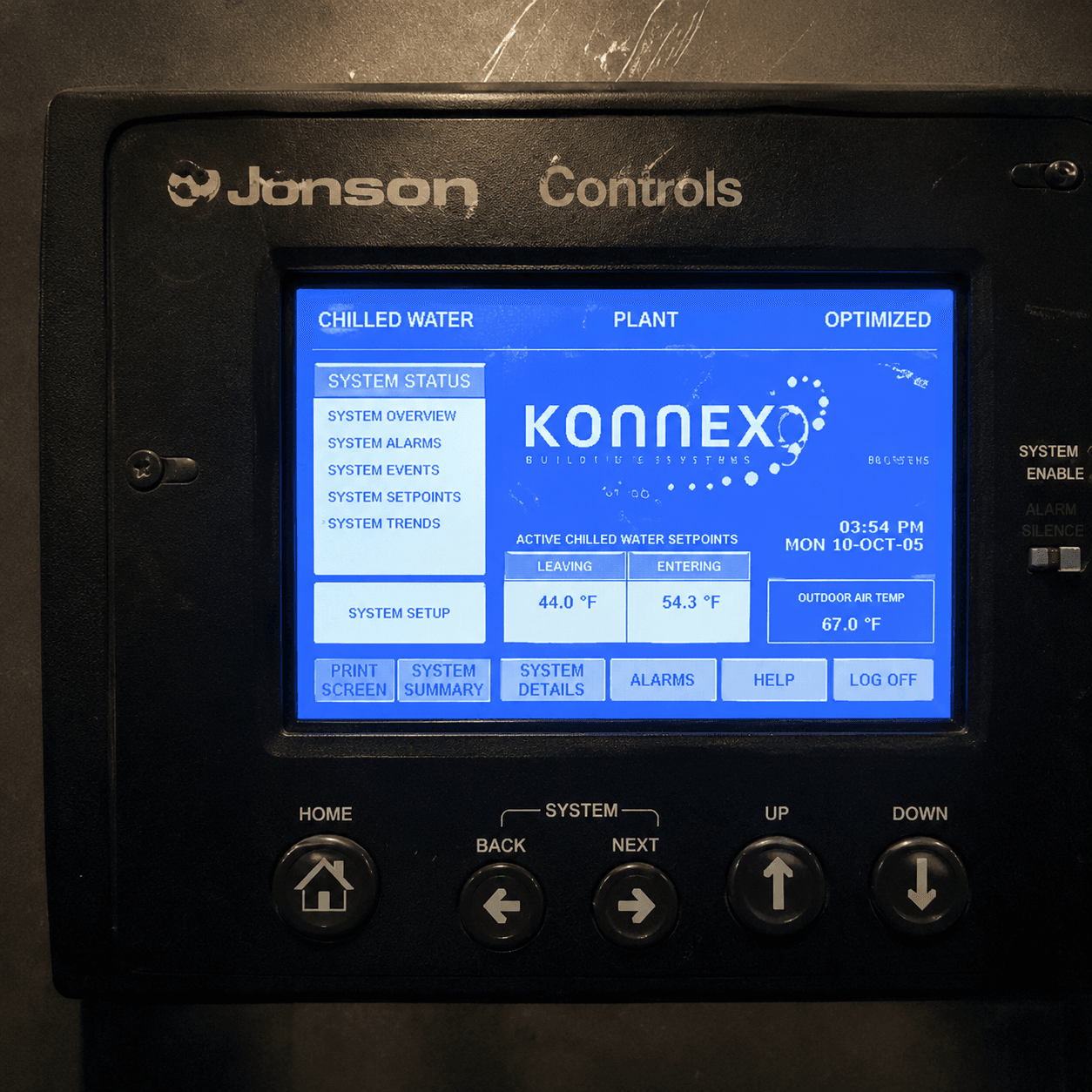
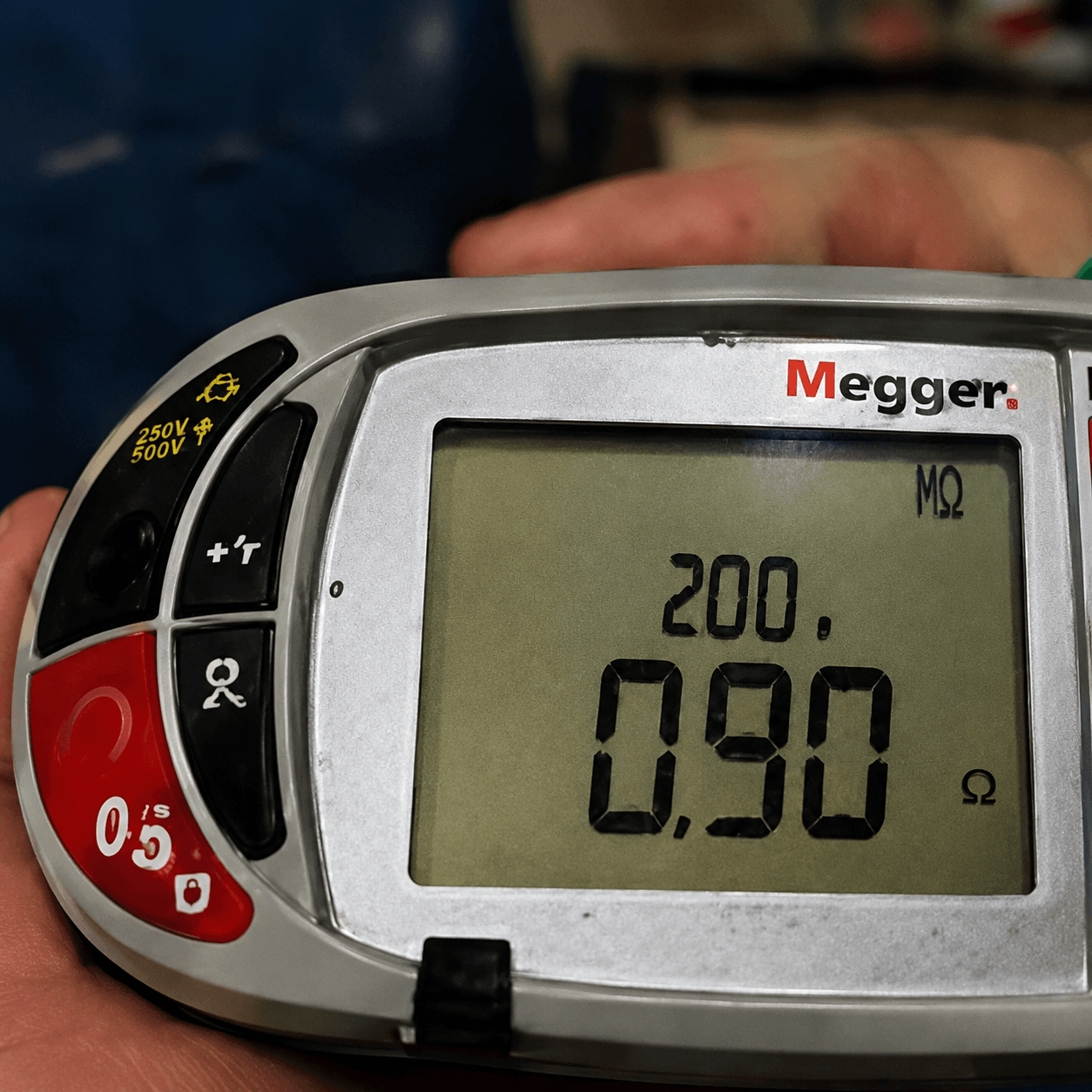
We always promise to provide honest pricing with no hidden fees and no nasty surprises.
We understand the needs of large organisations and how this applies to installation, testing & inspection.
We always keep on top of current technology to ensure your property is efficient and future proof
Our cloud based work management system allows our business customers to update and work with us through a secure client portal.
We support you with a professional scheduling team and dedicated account manager.
COMMERCIAL EICR CASE STUDY
Acton, London
Gowrie Group required a comprehensive Commercial Electrical Installation Condition Report across a large commercial premises in Acton.
The inspection needed to be completed within a fully occupied, live working environment while maintaining normal business operations and protecting building occupants throughout the testing programme.
The installation included ageing switchgear, distribution equipment incorporating mechanical moving parts and legacy electrical infrastructure. This required a flexible inspection strategy capable of assessing the installation safely without causing unnecessary disruption.
The client also needed clear communication as the project progressed, enabling building managers to understand emerging risks, prioritise remedial work and plan future investment.
Whitton Electrical developed a carefully phased Commercial EICR programme in close coordination with the client.
Inspection, isolation and testing activities were planned around the building’s operational requirements, allowing the premises to remain in use while the electrical installation was assessed in accordance with BS 7671 and IET Guidance Note 3.
Our engineers inspected and tested the fixed electrical installation, including ageing switchgear, distribution equipment and legacy infrastructure.
Structured digital inspection and reporting software was used alongside professional engineering judgement to improve consistency and create a clear record of the findings. Significant observations were supported by photographic evidence.
Daily progress reports were issued throughout the programme, allowing the client to review findings, understand priority risks and make informed operational decisions before the final report was completed.
Gowrie Group received a comprehensive and fully auditable Commercial Electrical Installation Condition Report.
The completed report included:
The report gave the client a clear understanding of the condition of the electrical installation and a practical basis for managing remedial works according to risk.
Live-site inspection●Ageing switchgear assessment●Photographic evidence●Daily progress reporting●Prioritised remedial actions
Inspection and testing were carefully phased around the client’s operations, allowing the commercial premises to remain occupied throughout the programme.
Daily progress reports gave building managers early sight of significant findings and emerging electrical risks.
The final digital report combined coded observations, photographic evidence and remedial recommendations prioritised according to risk.
A Commercial Electrical Installation Condition Report is a detailed inspection and testing programme used to assess the condition of a building’s fixed electrical installation.
It identifies defects, deterioration and safety risks, confirms whether the installation is satisfactory for continued service and provides clear recommendations where action is required.
There is no single law stating that every commercial property must have an EICR at one fixed interval.
However, employers, landlords and those responsible for commercial premises must maintain electrical systems so they do not present a danger. A Commercial EICR provides a clear, auditable way to assess the installation and demonstrate that electrical risks are being properly managed.
EICRs may also be required by insurers, landlords, lease agreements, licensing conditions or internal compliance policies.
The appropriate inspection interval depends on the type of premises, how the building is used, the condition of the installation and the quality of ongoing maintenance.
Five-year inspections are common across many commercial premises, but some industrial or higher-risk environments may require more frequent assessment. Whitton Electrical will recommend an appropriate next-inspection date based on the installation we find.
The inspection combines visual assessment, electrical testing and professional engineering judgement.
Depending on the agreed scope, this can include:
The completed report records the condition of the installation, coded observations and recommended actions.
Yes. Whitton Electrical regularly carries out Commercial EICRs in occupied offices, warehouses, factories, retail premises and other live working environments.
We plan the inspection around your operations, agree access and isolation requirements in advance and phase the testing where necessary to minimise disruption.
Some electrical tests require individual circuits or sections of the installation to be safely isolated.
We will agree any required shutdowns in advance and plan them around your operational requirements wherever practicable. Larger inspections can be divided into phases to reduce the impact on staff, tenants, production or business-critical equipment.
C1 — Danger Present
Immediate action is required to remove the danger.
C2 — Potentially Dangerous
Urgent remedial action is required.
C3 — Improvement Recommended
An improvement is advised, but the observation does not by itself make the report unsatisfactory.
FI — Further Investigation Required
Further investigation is required without delay because the inspector could not safely determine the full extent of the issue.
An EICR will be recorded as unsatisfactory where a C1 and/or C2 observation is identified.
The report will explain the defect, its location and the level of action required. Whitton Electrical can also provide a separately scoped quotation for remedial works where requested.
No. An older installation does not automatically become unsafe simply because electrical standards have changed.
The inspection considers its current condition, the risks present and whether it remains suitable for continued service. Differences from the latest edition of BS 7671 are assessed using professional engineering judgement rather than treated as automatic failures.
If a C1 defect is identified, we will notify the responsible person immediately rather than waiting for the final report.
Where necessary and authorised, the affected circuit or equipment may need to be isolated to remove the immediate danger. The action taken will be clearly recorded.
Yes. Whitton Electrical provides structured digital reporting supported by photographic evidence for significant observations.
This gives facilities teams, building managers and other decision-makers a clear record of what has been found, where the issue is located and why remedial action may be required.
No. The EICR is an independent report on the condition of the electrical installation.
Where defects are identified, Whitton Electrical can provide a separate quotation with the remedial work clearly prioritised and scoped. This keeps the inspection findings distinct from the cost of any repairs.
Yes. Our commercial test engineers are experienced in inspecting ageing switchgear, older distribution equipment and installations that have been altered over many years.
Where equipment cannot be fully assessed through standard testing alone, we will explain any limitations and recommend further investigation or specialist assessment.
A standard EICR assesses the fixed electrical installation and does not replace the specialist inspection and testing required for fire-alarm or emergency-lighting systems.
Their electrical supplies may form part of the EICR, but the systems themselves should be inspected separately against the relevant standards. Whitton Electrical can provide these services where required.
The duration depends on the size and complexity of the premises, the number of distribution boards and circuits, access arrangements, the condition of the existing records and how testing must be phased around operations.
Whitton Electrical will agree the scope, programme and likely disruption before the inspection begins.
Whitton Electrical is based in the South East and regularly carries out Commercial EICRs across London and the Home Counties.
We also travel throughout the UK for major commercial premises, national accounts and larger multi-site inspection programmes.